Korean Women Move Beyond Creams to Clinics and At-Home Devices
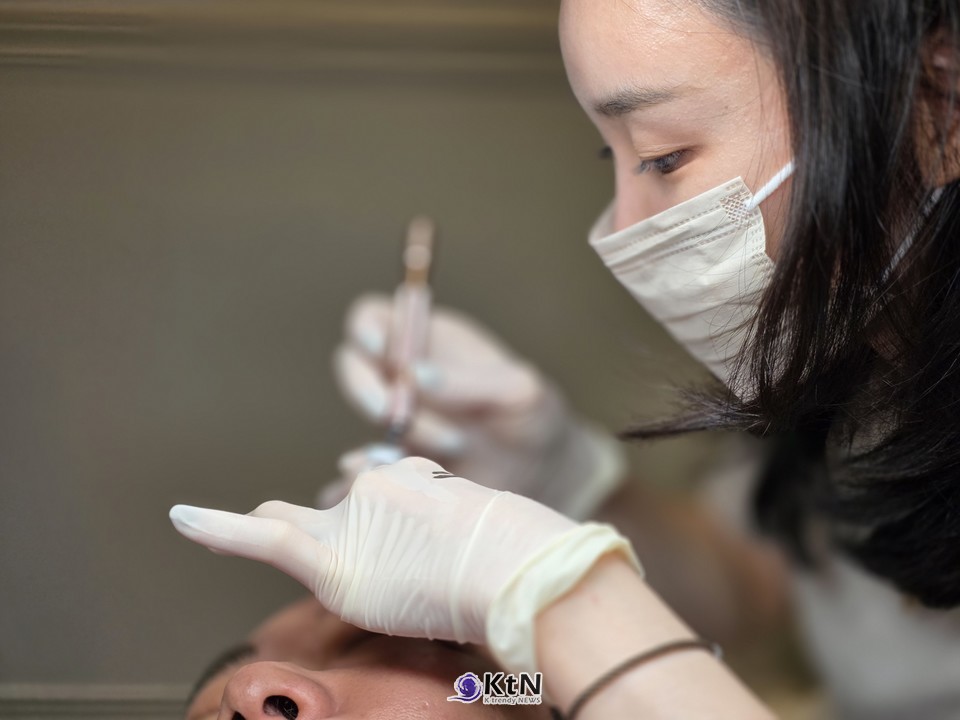
Skincare in South Korea is no longer just about creams and serums. A survey of women aged 20 to 69 found that 22.8% now use cosmetic procedures, and 14.9% combine three or more methods.
Many women still rely on cosmetics as their base, then add clinic visits, home beauty devices or inner beauty supplements depending on their skin concerns.
A Mix-and-Match Approach to Skin
Research firm Embrain's Opensurvey polled 1,000 women nationwide on October 27 for its 'Beauty and Procedure Trend Report 2026.' Skincare alone remains the most common routine, used exclusively by 39.2%. Only 2.6% rely on procedures alone, which suggests most people who visit clinics keep using cosmetics too. Combining skincare and procedures accounts for 6.5%, while 3.8% use all four methods: skincare, inner beauty, home devices and procedures.
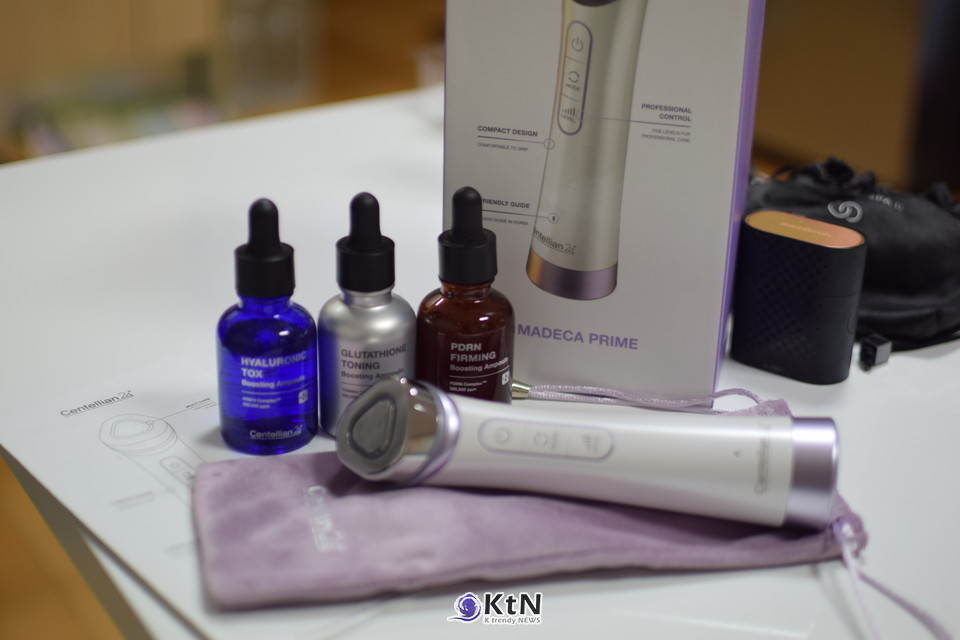
Home devices show the strongest link to clinic treatments. Among device users, 37.0% use them instead of procedures and 25.0% use them alongside procedures. Of 80 women who chose devices over clinics, 66.3% cited the ease of consistent care at home, 58.8% lower cost and 47.5% less time and hassle.
Habits also vary by treatment. Among those who recently had pigmentation treatment, 81.8% paired it with skincare products, while skin booster users were most likely to add home devices, at 48.6%.
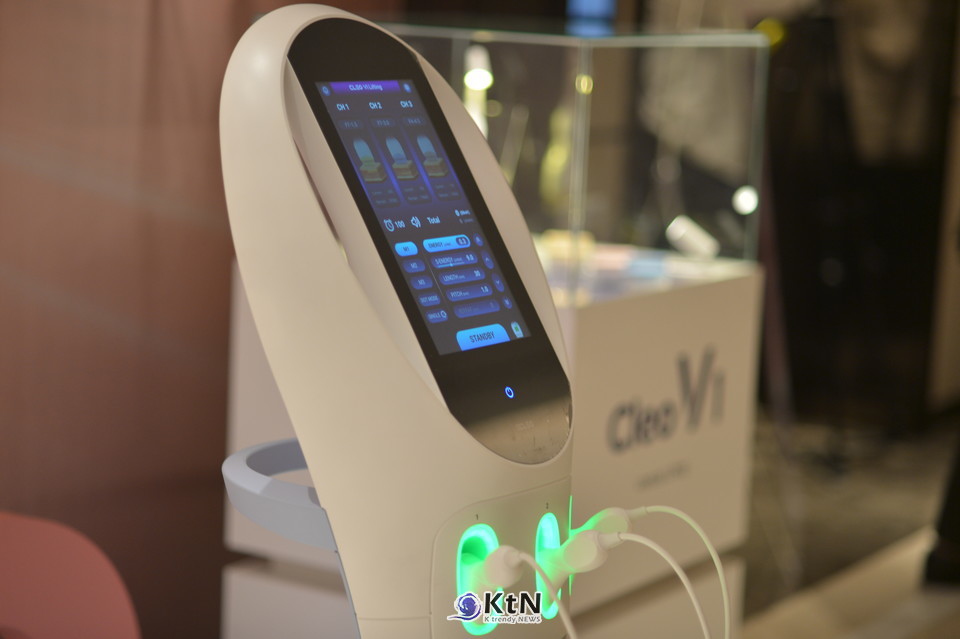
The shift fits 'Life ROI,' one of the ten keywords in 'Trend Korea 2027,' an annual consumer forecast. It describes weighing time and effort, not just money, against results. Government support is following: Korea's Ministry of SMEs and Startups expanded its 2026 R&D program to cover beauty devices and dermocosmetics, which blend skin science with cosmetics, offering up to 500 million won per company over two years to 10 firms. Cosmetics exports by Korean small businesses reached 2.79 billion dollars in the third quarter, up 28.6% year on year.
Why It Matters
Korean consumers are building layered routines where cosmetics, devices and clinical care each play a role, pushing brands to prove efficacy and safety. Home devices cannot replace professional diagnosis, so clear product claims will matter more as the market grows.
Read the original article in Korean: K trendy NEWS


댓글
댓글 쓰기