Brightness, Saturation, Contrast: How Color Shapes a Leader's Impression
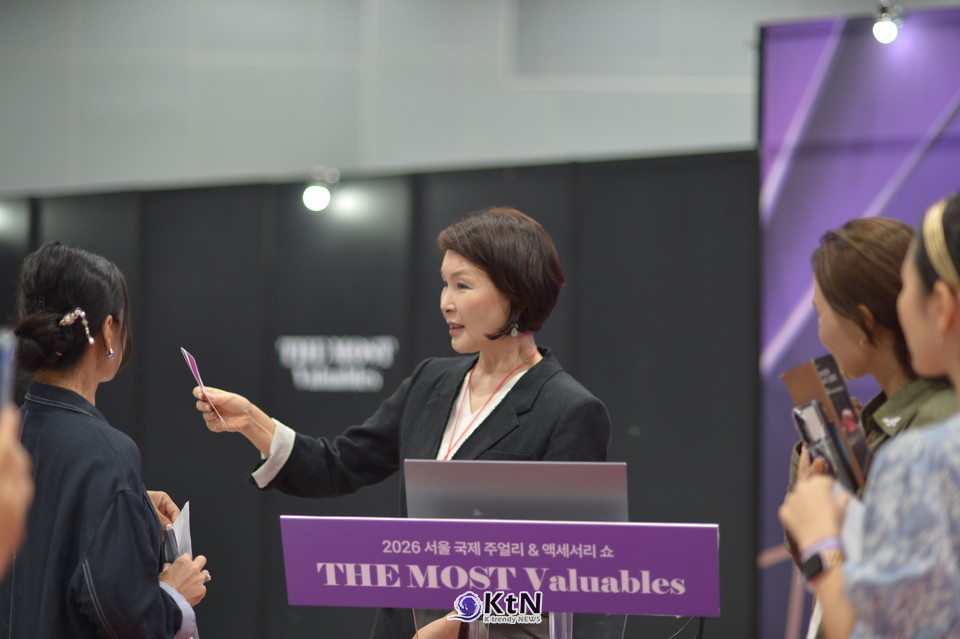
The same person can look entirely different depending on the intensity of the colors they wear. According to Cho Mi-kyung, head of CMK Image Korea, an image consulting firm in Seoul, three factors matter beyond which colors suit you: brightness, saturation and contrast.
A dark jacket over a white shirt creates a sharp boundary, while an inner layer of similar brightness blends the whole outfit into a softer line. Without changing the shape of a garment, the mood that reaches people first can shift.
Three Dials of Color Intensity
Brightness is how light or dark a color is. A light navy and a deep navy do not make the same impression, and neither do a near-white beige and a dark, heavy one. Lighter tones create airy space around the face, while darker ones leave clearer outlines.
Saturation is how vivid or muted a color is. A vivid blue pulls the eye quickly, while a grayish blue reads at lower intensity. The same goes for a bright red versus a muted burgundy. Strong color is not always a plus: when it overpowers the face, people notice the clothes before the person. Lowering saturation does not erase presence either. Sharp jacket structure or fabric can add presence in a different way.
Contrast is the distance between two colors, such as a jacket and the shirt beneath it. Low contrast feels calm and unified, high contrast makes lines and edges stand out, and medium contrast sits between the two. Navy with a white shirt is high contrast, while black with black is very low. The effect has nothing to do with price or brand, so adjusting what you already own can change your image.
Ties, scarves and accessories follow the same logic. Adding one vivid accent to a low-contrast outfit creates a focal point, but piling it onto an already high-contrast look makes several elements compete.
This is also where image consulting differs from personal color. Personal color finds the range that harmonizes with your skin, hair and eyes, while consulting goes on to decide how bright, how vivid and how contrasting to wear it.
Why It Matters
For leaders, always choosing dark suits and strong contrast can push personality behind the clothes, while overly similar colors can mute presence. Finding the level of color intensity a person can carry, and tuning it to the impression they want to give, lets color support the person rather than replace them.
Read the original article in Korean: K trendy NEWS


댓글
댓글 쓰기