Korea Launches Expert Course on Overseas Korean Policy
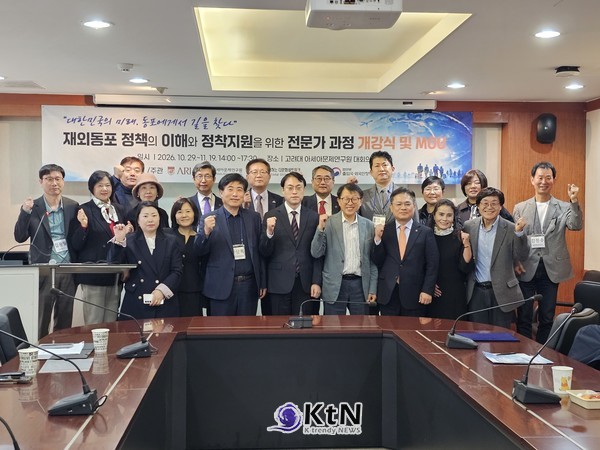
A four-week expert course on overseas Korean policy opened on October 29 at Korea University's Asiatic Research Institute in Seoul. Under the theme 'Finding the Path for Korea's Future Among Its Diaspora,' the program is organized by the Together Multicultural Network and runs both online and offline.
A Packed Classroom From Day One
Interest was strong from the first session. The in-person classroom ran short of seats as participants arrived from across the country, and many more joined online. The turnout suggests that diaspora policy is no longer seen as a narrow matter of diplomacy or overseas support, but as a national issue touching population, the economy, culture and social cohesion.
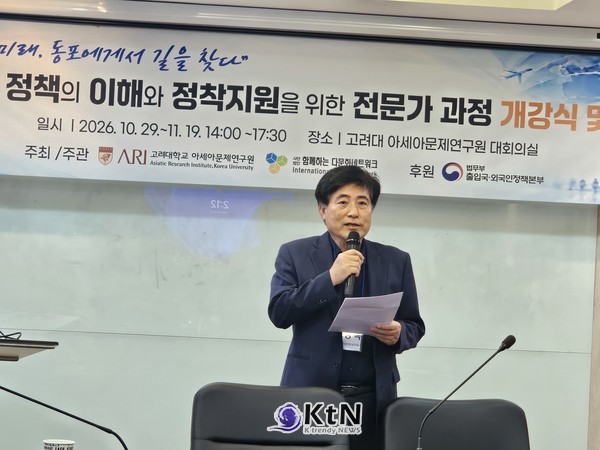
Shin Sang-rok, chair of the Together Multicultural Network, said the policy is not merely about supporting ethnic Koreans abroad. He described it as a future national strategy that protects the history and identity of Koreans rooted around the world while helping the homeland and diaspora communities grow together.
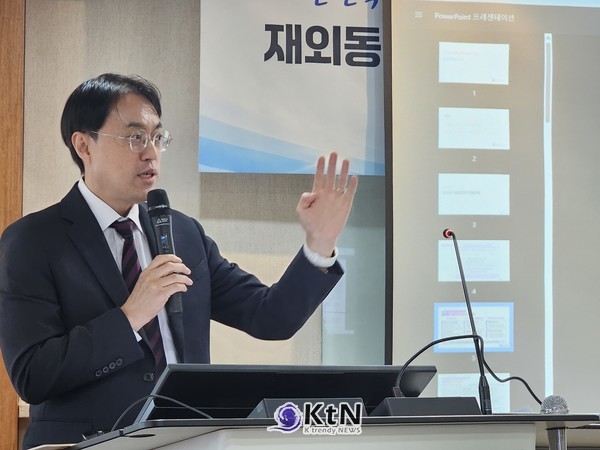
Cha Yong-ho of the Ministry of Justice gave the keynote, calling immigration policy Korea's future population strategy. He said that to respond to low birth rates and an aging society, Korea must systematically attract foreign talent and workers. Overseas Koreans, he added, are an important human asset, and policy should go beyond residency support to help them settle and become self-reliant.
Yoon In-jin of the institute traced the history of Korean emigration, from people fleeing poverty, famine and political turmoil for China and Russia in the late 19th century, to forced relocation and labor migration under Japanese rule, to migration to the Americas and later moves for study and work. Lawmaker Cha Kyou-geun urged society to see overseas Koreans and migrants not as outsiders but as fellow members.
Why It Matters
As Korea faces a shrinking workforce and an aging population, the course reframes overseas Koreans as partners in building the country's future rather than only recipients of support. Its outcome may be policy ideas and expert networks that can be put to use in the field.
Read the original article in Korean: K trendy NEWS


댓글
댓글 쓰기