Why Does a £400 Candle Wear a Crown? The Rise of Home Fragrance as Decorative Art

Why Does a £400 Candle Wear a Crown? The Rise of Home Fragrance as Decorative Art
Clive Christian Fine Objects and the changing relationship between luxury candles, interior design, and consumer culture in 2027
A candle priced at £400 raises an interesting question about contemporary luxury. How much of its value comes from the fragrance itself, and how much comes from the object that holds it?
British fragrance house Clive Christian explores this relationship through its Fine Objects collection, introduced in October 2026.
The collection includes five scented candles and four diffuser fragrances available in two sizes. The 300g candles and 250mL diffusers start at £400 in the UK.
With crown-inspired designs, metallic finishes, and elaborate decorative details, these products reflect a growing intersection between home fragrance, interior design, and luxury consumption.
When Home Fragrance Becomes Interior Decoration
Candles and diffusers traditionally serve a practical purpose: introducing fragrance into an indoor environment.
However, luxury home fragrance increasingly extends beyond scent.
Decorative vessels, distinctive materials, and recognizable designs have become important parts of the purchasing decision.
Clive Christian's Fine Objects collection illustrates this approach through gold, silver, and black finishes inspired by the visual identity of the British fragrance house.
The vessels are designed to remain visible within an interior, even when their fragrance is not being used.
This shift places home fragrance closer to decorative objects, where visual appearance can carry as much significance for a buyer as everyday functionality.
Yet elaborate design also introduces practical considerations, including cleaning, storage, placement, and long-term maintenance.
The Cultural Meaning Behind the Crown
The crown motif associated with Clive Christian has historical roots.
In 1872, The Crown Perfumery Company received permission from Queen Victoria to use her crown as a decorative emblem.
Clive Christian acquired the historic perfume house in 1999, carrying its crown symbolism into a modern luxury fragrance business.
Today, the emblem extends from perfume bottles into candles and home diffusers.
The transformation demonstrates how historical symbols can be incorporated into contemporary consumer goods.
Royal imagery carries associations with heritage, status, and tradition. Within luxury retail, these associations can contribute to a product's perceived exclusivity.
However, historical symbolism and artistic merit are separate considerations.
The aesthetic quality of a decorative vessel also depends on its proportions, materials, craftsmanship, and suitability for everyday use.
What Are Consumers Paying for in a £400 Candle?
The price of a luxury candle reflects multiple elements.
Fragrance composition, wax, vessel production, packaging, distribution, design, and brand positioning all contribute to the final retail price.
A visually elaborate candle may also appeal to consumers who regard the vessel as a decorative possession.
Nevertheless, price alone cannot establish fragrance quality.
The performance of a scented candle depends on factors such as wax composition, wick design, fragrance concentration, burning conditions, and scent diffusion.
Diffusers are influenced by fragrance formulation, reed characteristics, room temperature, airflow, and placement.
Individual preferences also matter. A fragrance that feels balanced in one interior may be overwhelming or barely noticeable in another.
Luxury fragrance therefore combines measurable product characteristics with personal taste and emotional satisfaction.
What Happens After the Fragrance Is Gone?
One of the most revealing aspects of decorative home fragrance appears after the candle has burned down or the diffuser liquid has evaporated.
The fragrance disappears, but the vessel remains.
This creates a distinction between the temporary experience of scent and the longer potential lifespan of the physical object.
Consumers may choose to keep an attractive candle container as a decorative accessory or for another suitable purpose.
However, the practicality of reuse depends on the materials, construction, cleaning requirements, and manufacturer's guidance.
Elsewhere in the home fragrance market, refillable candles and diffusers offer another approach to product longevity.
Refill systems allow consumers to retain an existing vessel while replacing its contents, potentially reducing repeated purchases of decorative containers.
The environmental benefits depend on the materials, packaging, transportation, and actual frequency of reuse.
A visually appealing vessel becomes more valuable over time when it remains useful and appropriate for the owner's living space.
What Trend Korea 2027 Reveals About Luxury Consumption
Three ideas associated with the Korean consumer trend publication Trend Korea 2027 offer useful perspectives on this changing market.
Form Factor Shift focuses attention on how changes in product shape and physical design can influence consumer experiences.
Fine Objects demonstrates this through familiar fragrance products presented in a more decorative format.
Life ROI considers the value people receive from the money and time they spend.
Applied to luxury home fragrance, this includes the enjoyment of scent, frequency of use, decorative appeal, and potential longevity of the vessel.
Taste Capital emphasizes the ability to recognize quality, develop personal preferences, and make informed choices in a crowded marketplace.
For luxury fragrance consumers, this means looking beyond recognizable labels and high prices to examine materials, performance, design, and everyday suitability.
These concepts provide a way to interpret changing consumer priorities rather than predict the commercial success of any particular collection.
Decorative Design Is Not the Same as Fine Art
A candle may resemble a sculpture without becoming a work of fine art.
Clive Christian's crown-shaped vessels belong to the field of commercially produced luxury design.
Their visual qualities can be assessed through form, proportion, surface treatment, and craftsmanship.
Fine art, meanwhile, operates within different creative, historical, and institutional contexts.
The distinction matters as more everyday products adopt the appearance of collectible objects.
Elaborate decoration can provide aesthetic enjoyment, but the long-term value of a household product also depends on functionality, material quality, and its relationship with the surrounding space.
A highly decorative candle may be appropriate in one interior and visually excessive in another.
Personal taste remains an important consideration.
The Future of Luxury Home Fragrance
Clive Christian's Fine Objects collection reflects a broader change in the way home fragrance is presented and consumed.
The candle is no longer marketed solely as a source of fragrance. Its vessel, decorative identity, and cultural associations have become part of the purchase.
The same shift can be seen in the growing attention given to reusable containers, decorative packaging, and fragrance products designed to remain on display.
As consumers become more selective, the relationship between price, visual appeal, and practical value deserves closer examination.
A £400 candle may offer enjoyment through both its fragrance and its design. Whether it represents a worthwhile purchase depends on the individual's preferences, living environment, and experience of using it.
Ultimately, the most meaningful measure of a luxury object may be how well it continues to fit into everyday life after the initial excitement of ownership has passed.
In a market where even a candle can wear a crown, thoughtful selection matters more than the appearance of luxury alone.
Tags: Clive Christian, Fine Objects, Luxury Candles, Home Fragrance, Luxury Diffusers, Interior Design Trends, Decorative Objects, Luxury Consumer Culture, Trend Korea 2027, Form Factor Shift, Life ROI, Taste Capital, Sustainable Luxury, Home Decor Trends, K Trendy News
[KtN 임민정기자]향초 300g에 400파운드. 영국 향수 브랜드 클라이브 크리스찬(Clive Christian)이 선보인 'Fine Objects' 컬렉션의 영국 판매가격이다. 같은 가격대의 디퓨저는 250mL 용량으로 판매된다. 일반적인 향초와 디퓨저에 비해 상당히 높은 가격이지만 제품의 외형은 향을 사용하는 도구보다 실내에 놓는 장식품에 가깝게 설계됐다. 향료와 용기, 브랜드의 역사적 상징을 하나의 상품으로 결합하면서 생활용품과 장식품의 경계가 가까워지고 있다.
2026년 10월 공개된 Fine Objects는 향초 5종과 디퓨저 4종으로 구성됐다. 디퓨저는 250mL와 500mL 두 가지 용량으로 제공된다. 기존 향수 제품에 사용해 온 향을 가정용으로 확장하면서 왕관 형태의 장식과 광택 있는 표면을 적용했다. 금색과 은색, 검은색을 중심으로 구성한 외형은 향초와 디퓨저를 향기 제품이면서 독립적인 실내 소품으로 소비하도록 만든다.
향초와 디퓨저의 상품 가치는 오랫동안 향료의 특성과 발향 방식, 사용시간을 중심으로 형성됐다. 향초는 심지를 태우면서 왁스에 포함된 향을 확산시키고, 디퓨저는 향료를 발향 스틱에 흡수시켜 실내에 퍼뜨린다. 향을 담는 용기는 사용과 보관에 필요한 구조를 갖추면서 제품의 외형을 결정했다. 최근 고가 홈 프래그런스 시장에서는 용기의 형태와 소재, 실내 장식 효과가 향료 못지않은 구매 요소로 활용되고 있다.
생활용품에 장식을 더하는 전통은 오래됐다. 유럽에서는 촛대와 향로, 은제 식기와 장식용 그릇처럼 일상에서 사용하는 물건에도 세공과 조각을 적용해 왔다. 귀족과 부유층의 실내에 놓인 생활도구에는 실제 사용을 위한 기능과 함께 소유자의 취향과 경제적 지위를 드러내는 역할도 있었다. 같은 기능을 수행하는 물건이라도 재료와 제작 방식, 장식의 정도에 따라 서로 다른 가치를 인정받았다.
산업화 이후 생활용품은 규격화와 대량생산을 거치며 일상적인 소비재로 확대됐다. 촛대와 향로에서 사용하던 장식적인 요소는 현대의 향수병과 화장품 용기, 실내 소품으로 옮겨갔다. 디자인을 통해 기능이 유사한 제품을 구별하고 브랜드마다 일정한 형태를 반복하는 방식도 발전했다. 클라이브 크리스찬의 왕관 장식은 이러한 생활용품 디자인의 흐름 안에서 살펴볼 수 있다.
Fine Objects에는 클라이브 크리스찬이 기존 향수병에서 사용해 온 왕관 형태가 반복된다. 둥근 구조에 작은 구형 장식과 돌출된 요소를 더하고, 표면에는 주변 환경을 반사하는 금속성 마감을 적용했다. 브랜드를 알아볼 수 있는 상징을 향초와 디퓨저의 외형으로 확장한 방식이다. 향료의 종류가 달라도 장식의 기본 구조를 유지해 제품군 전체에 공통된 디자인을 적용했다.
왕관은 역사적으로 권위와 지위를 나타내는 상징이었다. 현대의 생활용품에서는 왕관의 형태가 장식 요소로 사용되면서 화려함과 고가 상품의 이미지를 전달한다. 클라이브 크리스찬의 디자인에서도 왕관의 역사적 의미와 조형적인 형태가 함께 작용한다. 다만 생활용품의 디자인을 평가할 때는 상징의 인지도와 함께 물체의 비례, 장식의 구성, 실제 사용에 적합한 형태를 살펴야 한다.
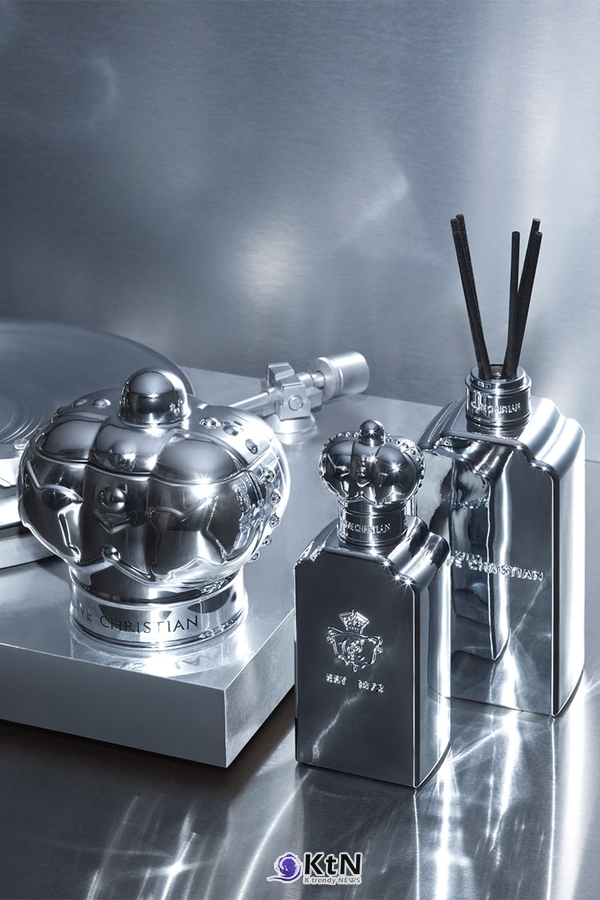
은색 계열 제품에는 주변을 반사하는 표면이 두드러진다. 반사율이 높은 물체는 조명과 가구, 벽면의 색상에 따라 인상이 달라진다. 밝은 공간에서는 빛이 강하게 반사되고, 어두운 공간에서는 돌출된 장식과 물체의 윤곽이 상대적으로 강조된다. 같은 제품도 설치 장소에 따라 시각적인 효과가 달라지는 구조다.
금속성 광택은 실내 디자인에서 오래 사용해 온 장식 요소다. 거울과 금속 가구, 조명기구, 장식용 촛대에는 빛을 반사하는 특성이 활용된다. 작은 물건이라도 표면의 반사가 강하면 주변의 무광 소재보다 먼저 눈에 들어올 수 있다. 왕관처럼 복잡한 장식까지 더해지면 실제 크기에 비해 실내에서 차지하는 시각적 비중이 커진다.
왕관은 오랫동안 군주의 권위와 사회적 지위를 나타내는 상징이었다. 고가 상품에 왕관을 적용하면 소비자는 물건의 형태와 함께 역사적 이미지도 접하게 된다. 상품의 기능에 과거의 문화적 상징을 결합해 새로운 가치를 부여하는 방식이다.
금색 왕관은 전통적인 귀금속 장식을 연상시키고, 은색 왕관은 주변의 빛을 반사하는 표면이 두드러진다. 검은색 제품에서는 장식의 곡선과 둥근 형태가 상대적으로 강조된다. 같은 기본 구조를 유지하면서 마감 색상을 달리하면 상품의 종류를 늘리는 동시에 브랜드의 시각적 특징을 일관되게 유지할 수 있다.
왕관 장식의 상징성은 역사적 배경에서 비롯되지만 실제 생활용품의 가치는 재료와 제작 품질, 사용성에 따라서도 달라진다. 표면의 마감이 얼마나 균일한지, 장식과 용기의 구조가 적절한 비례를 이루는지, 장기간 사용하기에 적합한지는 별도로 살펴야 할 요소다. 역사적인 문양과 높은 가격이 디자인의 완성도를 대신할 수는 없다.
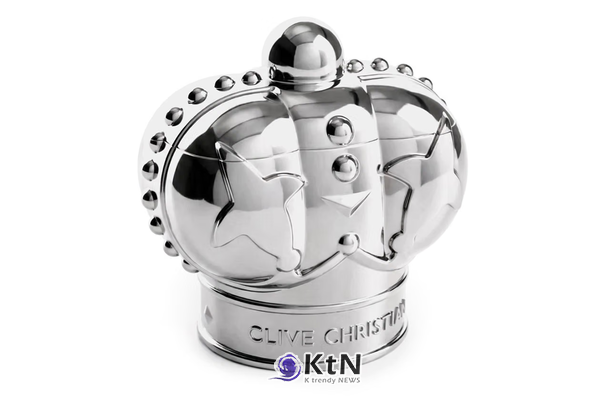
산업디자인과 예술품의 관계에서도 흥미로운 변화가 나타난다. 생활용품에 조각적인 외형을 적용하는 일은 오래된 공예 전통과 연결되지만 오늘날 판매되는 향초와 디퓨저는 규격화된 산업제품이다. 동일한 디자인을 반복 생산하고 향료의 종류와 용량에 따라 상품을 구분한다.
예술품은 창작자의 작업과 제작 맥락, 재료와 표현 방식, 독창성 등을 바탕으로 평가된다. 산업제품에서는 이러한 조형적 요소와 함께 기능, 생산 방식, 사용의 편의성, 제작 품질이 중요하다. 향초가 조각품을 연상시키는 외형을 갖췄다면 그 형태의 미적 특징을 분석할 수 있다. 동시에 향초로서 얼마나 적절하게 제작됐는지도 평가해야 한다.


댓글
댓글 쓰기