Victoria Beckham's 239-Pound Tableware and the Economics of Eating Well
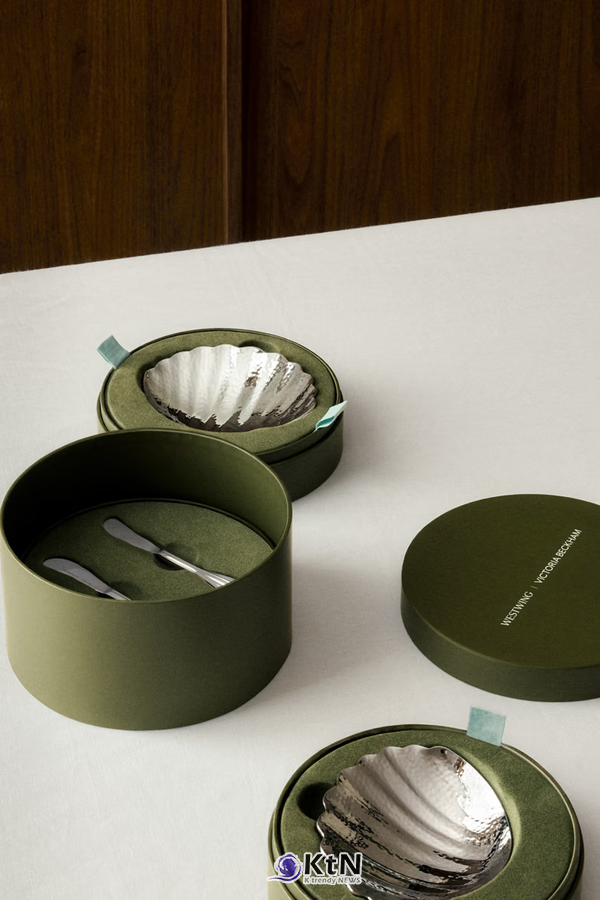
Victoria Beckham has launched her first dining collection with the European home goods company Westwing, just as new Korean household data shows how unevenly the cost of everyday food is felt. The timing invites a closer look at what it takes to put healthy meals on the table.
Beautiful Tables, Unequal Grocery Bills
In the second quarter of 2026, South Korean households spent an average of 434,000 won a month on food and non-alcoholic beverages. That is 2.8% more than a year earlier. The burden is not shared equally. Among households in the bottom 20% of earners, food and non-alcoholic drinks made up 21.1% of total consumption spending. For the top 20%, the share was 12.0%.
Eating well is also not a single purchase. Buying fresh vegetables, fruit, meat, fish, grains and dairy is only the first step. Storing ingredients, cooking them and handling leftovers are tasks that repeat every day, and the cost of a home-cooked diet depends on income, food prices, household size and eating habits.
Against that backdrop, the British designer launched her collection on October 12. It includes ceramic plates, metal cutlery, glassware, table linens, vases and decorative accessories, and it brings design elements from her fashion and beauty businesses to the dining table.
Her Westwing collection is the third part of a series by K trendy NEWS, a Korean online outlet, on the value of the dining table, which looks at how beautiful tableware and healthy eating relate to the economics of daily consumption.
Why It Matters
Premium tableware turns the dinner table into a design statement, yet the real cost of a healthy diet lies in groceries and the unpaid labor of preparing meals. The gap between a 21.1% and a 12.0% food spending share shows that eating well is a question of household budgets as much as taste.
Read the original article in Korean: K trendy NEWS


댓글
댓글 쓰기