'Permanent' but Leaving: Gyeonggi Lawmaker Targets Public Worker Pay Gap
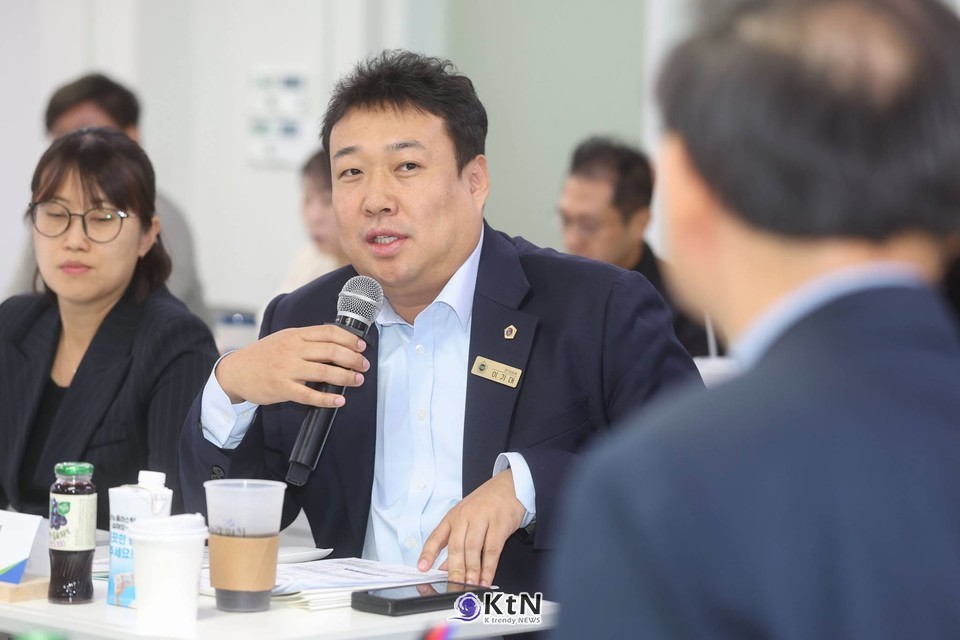
Some South Korean workers hold 'permanent' contracts and still plan their exit. They are the public service employees, known as gongmujik, who keep local government services running on the ground. On Oct. 20, Lee Gi-dae, a Democratic Party member of the Gyeonggi Provincial Council's Economy and Labor Committee, met with the Gyeonggi Local Government Public Service Workers Council to discuss closing pay gaps across 31 cities and counties.
A Push for a Formal Channel and a Tougher Audit
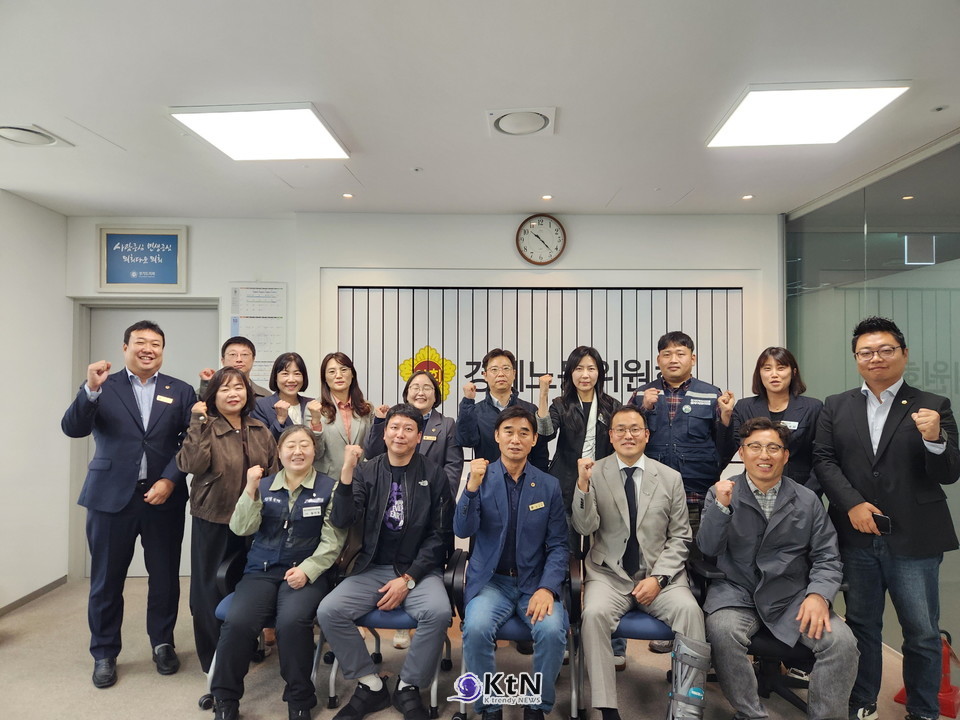
Ten council representatives led by chair Kim Young-jun attended, along with six committee members including chair Jang Tae-hwan. They discussed setting up an official line of communication with Gyeonggi Province and holding regular meetings. Lee said wages, benefits and treatment differ considerably by region and job type, even for people doing the same or similar public work. He plans to examine the province's policies during the upcoming administrative audit and demand corrections where Gyeonggi lags other regions.
The numbers cited in earlier Gyeonggi Ilbo reporting show the scale of the problem. Gyeonggi's public service workforce grew from 443 in 2017 to 1,461 in 2024. Administrative staff receive only two allowances, a meal stipend and a holiday bonus, while Gwangju offers six types. In 2022, the annual pay at the 30th pay step was 32.37 million won, the lowest among 17 provinces and cities and roughly half of South Jeolla's 60.29 million won. The province says a study is under way, though these figures date from 2022 to 2024.
The issue is also on the national agenda. On Sept. 18, the government relaunched the Public Service Workers Committee after three years. The Ministry of Employment and Labor estimated that more than 800,000 such workers existed in 2024.
A union leader quoted in that reporting said many new hires prepare to leave within two or three years. Official turnover data has not been confirmed. The framing echoes 'Life ROI,' a keyword from Trend Korea 2027 describing how people now weigh the return on their time and effort, including at work.
Why It Matters
Pay gaps can drive turnover, which in turn threatens the continuity of services like cooking, facility management and administrative support. Whether this meeting becomes real policy will depend on audit findings, the province's study and decisions about funding.
Read the original article in Korean: K trendy NEWS


댓글
댓글 쓰기