Musk Shifts Space Priority: Moon City First, Mars Second
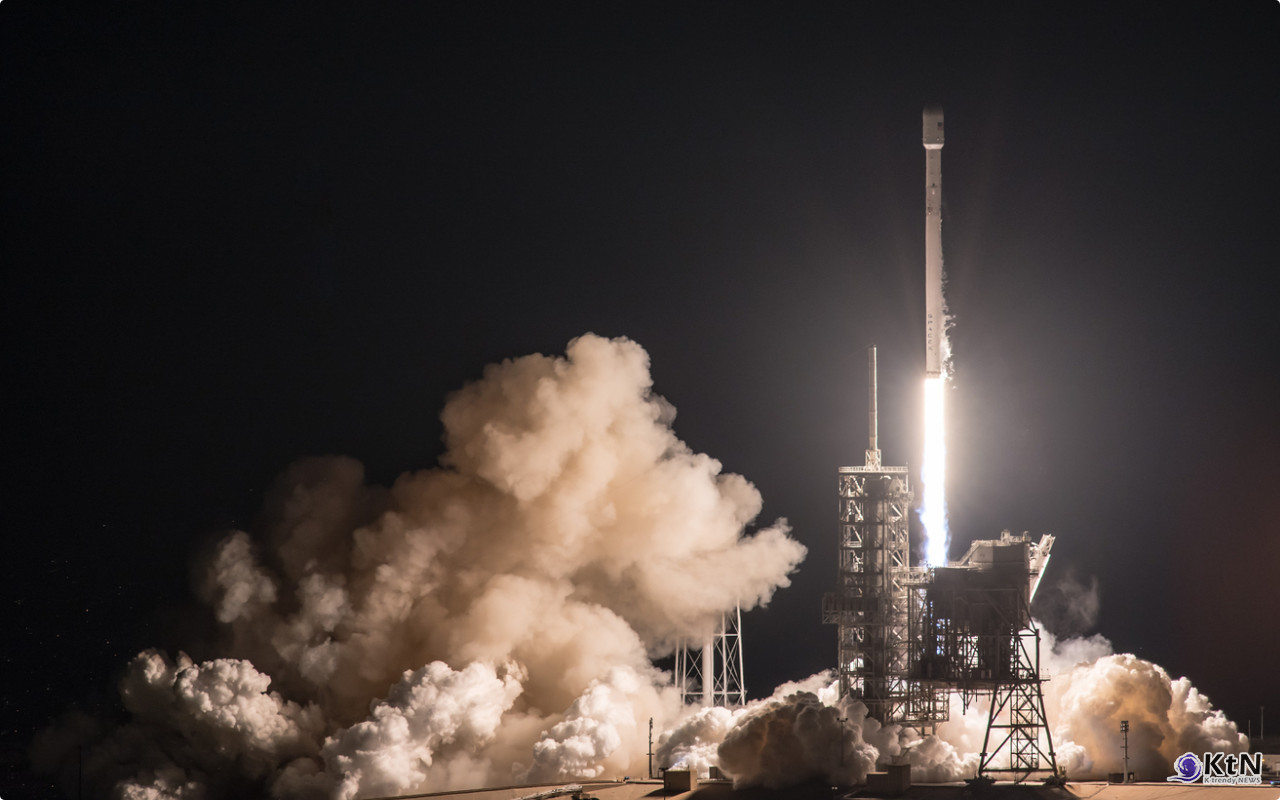
SpaceX CEO Elon Musk has reordered his space ambitions. On February 8, 2026 (local time), he announced on the social platform X that the company will build a city on the Moon before one on Mars, a notable turn for a man long known for championing human settlement of the Red Planet.
Musk argued that a self-sustaining city could be built on the Moon within 10 years, while a comparable city on Mars would likely take more than 20. Mars development will continue, he indicated, but the first goal is a base where people can live for extended periods on the lunar surface.
From Mars Direct to Moon First
The new plan marks a sharp contrast with Musk's position just over a year earlier. In January 2025, he described the Moon as a detour on X and said SpaceX would head straight for Mars. At the time, he criticized the lunar-focused exploration program of NASA, the US space agency, and argued that the effort should concentrate on Mars.
In roughly a year, then, Musk went from dismissing the Moon as a side trip to making it the first destination for a permanent city. The shift is also tied to the rhythm of Mars missions: launch opportunities to Mars open only once every 26 months, a constraint that makes the schedule for Mars far less flexible than for the Moon.
Starship Progress and NASA's Timeline
The change comes as SpaceX's Starship program reaches new milestones. The vehicle has achieved its first entry into orbit and has successfully deployed 26 Starlink satellites, the company's internet-from-space constellation.
NASA, meanwhile, is pursuing its own lunar schedule: a docking test is planned for 2027, followed by a crewed Moon landing targeted for 2028. Musk's lunar pivot therefore lines up with the direction the US government's space program is already heading, rather than pulling against it as his 2025 stance did.
Why It Matters
Musk's reversal shows how even the most ambitious space visions must bend to physics, timing and practical milestones. Putting the Moon first offers a nearer-term proving ground for the technologies and long-duration living systems that any future Mars settlement would need. It also brings SpaceX's goals closer to NASA's, which could make cooperation on lunar infrastructure more likely as both sides aim for the late 2020s.
Read the original article in Korean: K trendy NEWS


댓글
댓글 쓰기